人工智能之后的政治版图

从资本—劳动到加速—守护

两个多世纪以来,现代政治的核心争论之一始终围绕一个经济问题:谁拥有生产资料?

工业革命塑造了左右之争。左翼试图重新分配劳动与资本之间的权力,右翼则捍卫财产权、市场机制与社会等级。这一分野之所以长期有效,是因为工业社会本身相对稳定:人类工作,机器提高效率,价值来自生产,政治围绕分配展开。

人工智能正在改变这一切。

这不仅是政党版图的重新排列,而是一条新的政治轴线正在浮现。AI时代的核心冲突,不再只是资本与劳动之间的矛盾,而是加速还是守护:我们要以多快的速度将机器智能引入社会,以及在这个过程中,我们是否还能守住人类的位置。

继续阅读“人工智能之后的政治版图”

On Trust and Intelligence

Real intelligent behaviors necessarily lead to more trust.

Trust is evaporating everywhere in this digital era.

Forgot to bring your phone to work? You’d better go back home and pick it up, or you won’t be able to authenticate your 2FAs. Moving to another country? Better not cancel your phone number, or you’ll lose access to accounts requiring text verification. Are we living in a more secure and trustworthy society compared to decades ago? Not really. The reality is that you must bow to the digital overlord to prove that you are indeed yourself.

继续阅读“On Trust and Intelligence”

拍手游戏

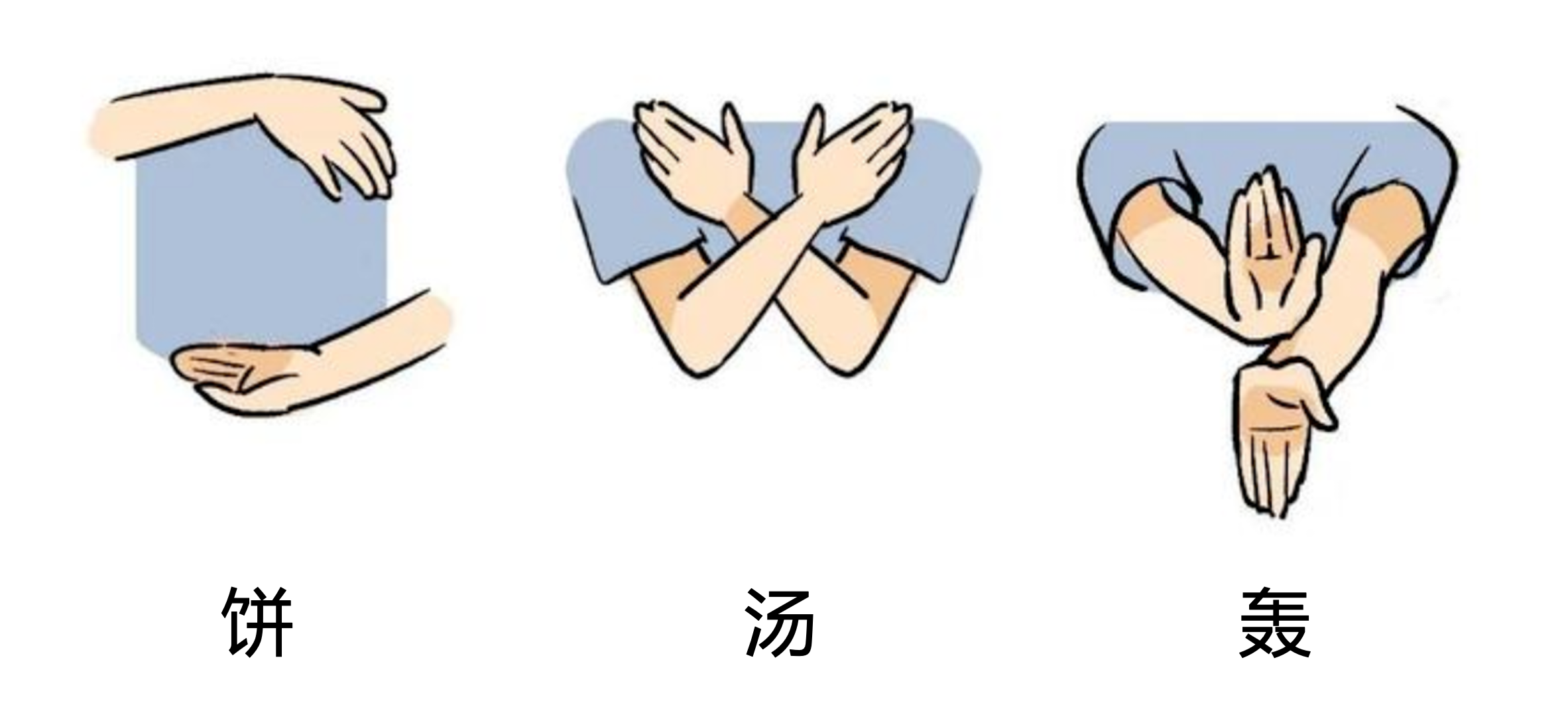
最近突然想起了小学、初中时经常玩的一个拍手游戏。通常玩家是两个人,拍两下手后选择出一轮招式:“饼”、“汤”或“轰”。这是上海话的叫法。“饼”代表蓄能[1];“轰”代表攻击[2],需要消耗能量;“汤”代表防御[3],可以抵挡一次攻击。如果趁对方“饼”的时候发出攻击,即游戏结束,攻击方获胜,否则游戏继续。

图一:“饼”、“汤”、“轰”的游戏手势,也存在其他变种。图片来源[4]
继续阅读“拍手游戏”

论记忆

黑暗的客厅里,我坐在躺椅上。窗外吹进夏夜凉爽的风,混杂在室内陈旧潮湿的空气中。闭上眼睛,仿佛回到八年前住在波士顿一间阁楼的夏天。傍晚阁楼里很热,这里是一间屋子屋顶的一半,天花板向着床头的一边倾斜下来。夏天没有空调,但房东留下了两个盒式风扇,大约边长半米的正方形,正好和窗户的大小差不多。如果把电风扇贴在窗框,风扇比窗大一圈无法立稳。可是如果把风扇开启,所产生的风力正好将它自己紧紧贴在窗上。室外凉爽的风吹进来,屋里顿时凉快不少。我常常将风扇开到深夜,睡前才关。有时关了以后风扇也一直紧贴在窗户上,像是一对电脑的散热风扇。

继续阅读“论记忆”

The future of our digital memory

Preserving our digital memory with a personalized AI twin could be the future.

Recently, I rediscovered my passion for photography after a decade-long hiatus of taking casual iPhone photos. My previous enthusiast camera, a Nikon D200 made in 2005, still sat quietly in my storage container. As I was deciding whether to invest in another camera for an upcoming trip to Rwanda, where I hoped to capture stunning wildlife images, I pondered the role of photography and personal storage, and how they might evolve in the future.

In today’s world, owning a traditional camera may seem outdated. Most people rely on their smartphones, which now boast high-resolution cameras and advanced AI algorithms for exceptional results. Over the past several decades, for most people cameras have shifted from being tools of artistic expression to lifelong recording devices. We capture meals at fancy restaurants and picturesque views on our trips. We hand our phones to strangers to take photos for us, without worrying about their photography skills. Personally, I have amassed over 50,000 photos on my phone, rarely revisiting them. They serve as a visual diary of my daily life.

继续阅读“The future of our digital memory”